
When Dinosaurs Ruled: Why the OpenAI Jobs Platform Could Be An HR Tech Extinction Event
Posted on September 5, 2025 4 Comments

It’s fitting, really, that the beginning of the end for LinkedIn came with the arrival of an existential threat whose biggest investor also happens to be their outright owner, Microsoft – which is probably pretty awkward for a company whose post acquisition autonomy has created what turns out to be a pretty significant blind spot in their product roadmap.
In a poetic bit of corporate cannibalism, OpenAI (the ChatGPT people) announced this week that it’s building an “AI-powered hiring platform.”
Not a tool. Not a plug-in.
A full-stack hiring marketplace with matching, screening, certification, and employer tools built directly into the OpenAI ecosystem.
It’s called the OpenAI Jobs Platform. And it’s coming for LinkedIn’s lunch, dinner, and market share.
Read MoreLinkedIn Hiring Assistant: Clippy Makes A Comeback
Posted on September 4, 2025 5 Comments

Somewhere along the line, the people who build HR tech stopped believing in recruiters. You can see it in every product launch dressed up as a breakthrough.
Every time a new AI “assistant” emerges, armed with autocomplete and the thinnest veil of generative AI, the implication isn’t subtle. It’s that recruiters are inefficient, inconsistent, and expendable.
That the problem isn’t a broken hiring system, it’s the humans still foolish enough to try to fix it. That, maybe, we’d all be better off if someone – er, something, just took over.
Which brings us to LinkedIn’s Hiring Assistant, which just expanded its availability globally after a year in pilot, just about long enough to grab some training data, create some customer success stories, generate some outcome data and package it all up in a product marketing bow.
It’s being framed as a milestone in recruiting automation. In practice, it’s more like Clippy got a makeover, learned how to parse job descriptions, and started sending templated InMails at scale.
It’s just as obnoxious as it sounds.
Read MoreBeyond the Frankenstack: How to Choose the Right AI Partner for Hiring
Posted on September 3, 2025 2 Comments
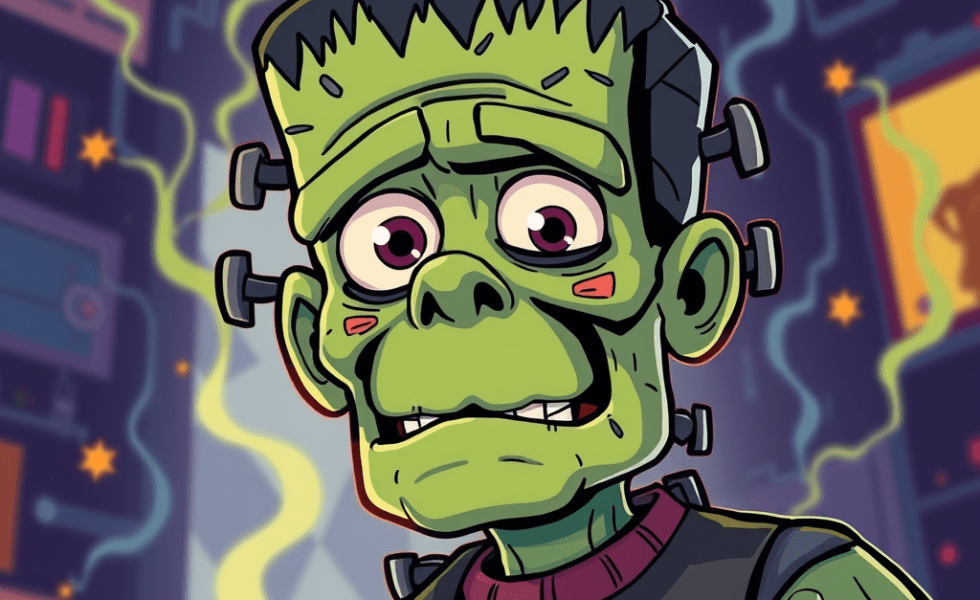
Let’s get something out of the way: I still hate the word “Frankenstack” (or its close relative, the “Frankensuite”).
It’s one of those hackneyed cliches that’s been floating around the world of SaaS for way longer than it should to come up with an alternative definition for a bunch of half-functioning point solutions patched together through a bunch of integrations and configurations into what’s commonly referred to as a “stack.”
The thing is, a “Frankenstack” isn’t really a stack at all. It’s a cry for help, and one that’s only grown louder since we added AI to what was already an overcomplicated, overly complex and chaotic mix of point solutions, plug ins and middleware.
With the proliferation of HR Technology, both as a category of spend as well as a relatively mature ecosystem, this bric-a-brac approach to leveraging technology to drive more efficient, effective processes and increasingly optimal outcomes has become untenable.
Read MoreWhy Your Recruitment Advertising Sucks.
Posted on August 27, 2025 4 Comments
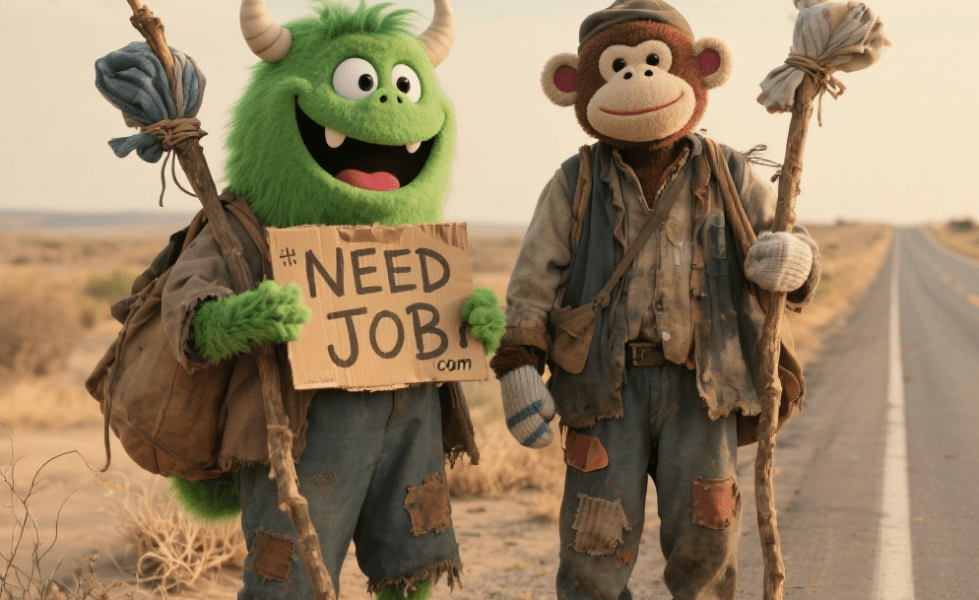
If you’re in talent acquisition, you’ve probably been told that your job ads need to be more “programmatic,” that “employer branding” is your silver bullet, and that dumping more budget into LinkedIn or programmatic job boards will magically solve your pipeline problems.
Here’s the thing, though: it won’t. They’re lying to you. That’s because recruitment advertising is still stuck in 2004, using Google to drive unqualified traffic to Craigslist style landing pages and pretending that’s innovation.
It’s a world where “programmatic” just means “automated spend across the same shitty sites,” and where “branding” means posting photos of your office dogs on Instagram and hoping candidates apply.
Let’s get real: if recruiting wants to be treated like a strategic business function, we have to stop buying media like it’s still classified ads in the back of a trade magazine.
It’s time to think, and buy, like marketers.
Read MoreWorkday Buys Paradox: An Inevitable Acquisition That’s Long Overdue
Posted on August 22, 2025 2 Comments

Let me start with full disclosure: I’ve tracked Paradox since its earliest days, back when the scrappy company who essentially created the “conversational intelligence” in talent acquisition (smart move) was essentially a point-solution whisper in a crowded HR Tech echo chamber – and it wasn’t even called Paradox at all.
At the time, it was just a chatbot (and not a particularly great one, either), and the company was named after its flagship product, Olivia.
But then I watched them scale Olivia into Paradox, a VC darling and dominant player that enjoyed the enviable position of sitting squarely in the middle of two major trends driving HR Tech spend – the rising ubiquity of recruitment process automation technologies (or “AI,” as we like to call them), and high volume hiring solutions.
Paradox enjoyed the advantages of being early to market in both categories, and accordingly scaled almost overnight from a niche point solution into an industry powerhouse, fueled by the staggering $200 M the company raised in their Series C round, a raise that valued the company at $1.5 billion while instantly vaulting it into Unicorn status.
Read More Snark Attack