
The System is Broken: HR Technology and Trump
Posted on October 15, 2025 Leave a Comment

In the corridors of power, the companies that quietly manage paychecks, benefits, applicant tracking, and workforce data have randomly become some of the best-connected soft power peddlers in the Trump era, stepping into shoes previously occupied by private sector doyens Elon Musk, Maria Bartolomeo and the My Pillow Guy.
These enterprise technology executives are closely tracked and widely covered for what they do in Sun Valley, San Francisco or Saint Tropez (depending on the media outlet).
But make no mistake about it: what happens on K Street is as inexorably intertwined with HR Technology as anything that happens on Wall Street or Sand Hill Road. For some firms, maybe even more so.
Read MoreNow Is the Time We Dance: Humanly Acquires Qualifi, Sprockets, and HourWork
Posted on October 14, 2025 Leave a Comment

If you’ve been around HR technology long enough, you already know how this is supposed to work.
Company A buys Company B, puts out a press release, maybe an official blog post and some splashy graphic announcing how the acquisition aligns with the company’s “long term vision,” or how it “unlocks value,” or maybe even talk about how the combined product will revolutionize the very future of talent acquisition and hiring. Or something similarly specious.
Then, there’s the breathless, totally speculative and esoteric insider takes from the pundits and the podcasters (present company included) wildly overstating the implications of what’s often a pretty niche, fairly nuanced transaction.
Of course, this is accompanied by the posting of the official LinkedIn announcement from the brand (followed by furious liking and reposting by every employee, all of whom are either “proud” or “excited” by news most haven’t even been briefed on yet).
And let’s not the email to customers and partners talking about how this transaction is an investment in the “future of work” (even if it’s just slapping on some golden handcuffs or overcoming a capability gap). Then, six months later, the company quietly kills the product, never to be spoken of again.
Hey, I know what you’re thinking, and that’s not cynicism; it’s called pattern recognition.
Read MoreUnplugged: Insights from a Decade of RecFest
Posted on October 9, 2025 Leave a Comment
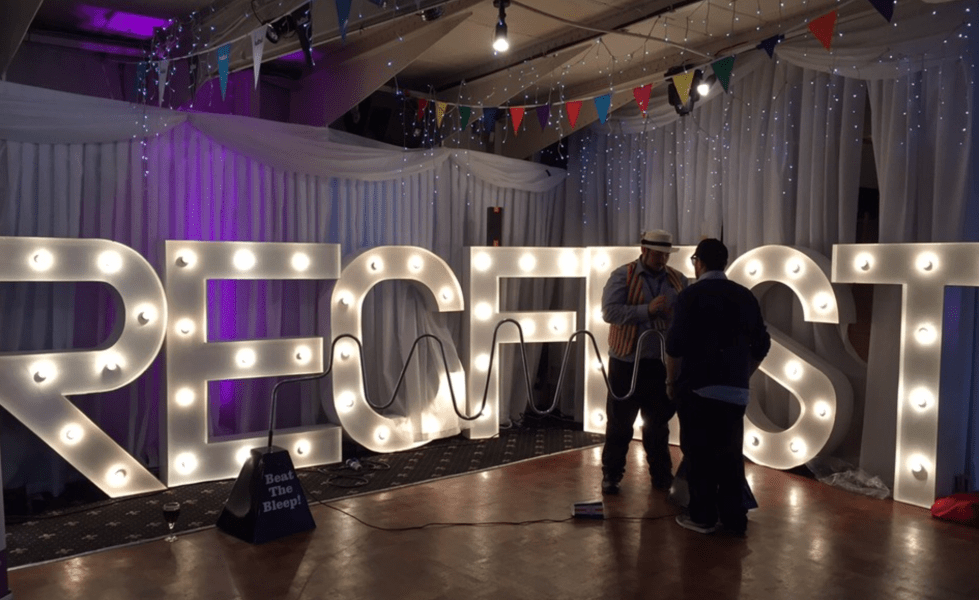
Recruiting has always been a game of contradictions. We talk about innovation, but still send cold emails off LinkedIn. We obsess over candidate experience, then ghost people after three rounds of interviews. We call ourselves strategic, but most days feel like we are the McGuyvers of the hiring process, trying to assemble whatever random crap is lying around into something that will actually have some utility.
Turns out, building a bomb out of an avocado and a snorkel might well be an easier ask then trying to figure out how to create an “AI Stack” out of a legacy ATS and a boatload of point solutions with open APIs but minimal configurability.
Thing is, the recruiting industry tends to be so myopically focused on the tools and the technology of the trade that we tend to lose sight of the bigger picture.
Read MoreSpin Cycle: How Recessions Reshape Talent Acquisition Strategies
Posted on October 1, 2025 4 Comments
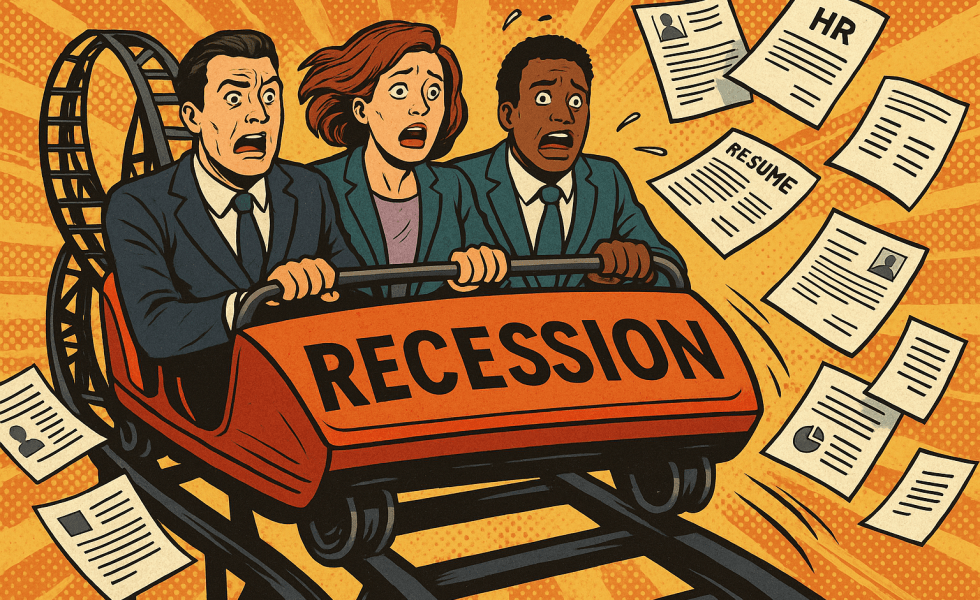
Remember 2021? When a carton of eggs cost $1.27, the Weeknd was still relevant enough to land the Super Bowl halftime show, X was called Twitter, people under 50 still used Facebook and Q was still making drops? I know, it seems like a fever dream to me, too – those halcyon days of headcount hyperscaling.
Back then, signing bonuses outpaced salaries, every recruiter had “hypergrowth” in their LinkedIn headline, a technical sourcer with a couple years of experience could pull in close to 200k at the FAANG company of their choice, and HR Tech vendors were busy convincing us that their new AI solutions were going to end candidate ghosting and improve the candidate experience?
Good times.
Read MoreAnalytics Anonymous: The 7 Steps to Talent Intelligence Transformation
Posted on September 25, 2025 3 Comments

Let’s talk about the real reason your hiring strategy isn’t working.
It’s not a talent shortage. It’s not hiring manager alignment. And it’s definitely not because your employer brand video doesn’t autoplay on mobile.
It’s because you have no idea what’s actually happening in your funnel, and worse, you’ve built an entire process on data you don’t even trust (or in many cases, even capture).
According to the Deloitte 2024 Global Human Capital Trends report, only 9% of HR leaders say they are “very confident” in the accuracy of their workforce data. Just let that sink in. That means fully 91% of people teams are making hiring decisions based on a mix of outdated reports, disconnected systems, and vibes. This is absolutely asinine.
And it gets worse.
Read More Snark Attack